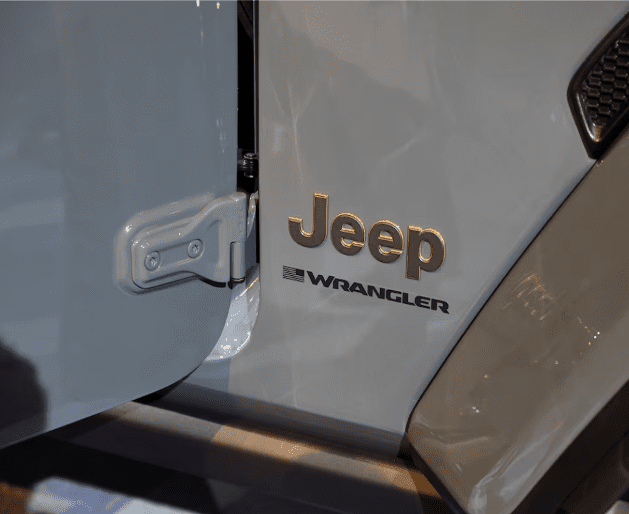
NHTSA opens recall query into about 94,000 Jeep Wrangler 4xe SUVs
July 9 (Reuters) - The National Highway Traffic Safety Administration (NHTSA) has opened a recall query into 94,275 Stellantis-owned (STLAM.MI), opens new tab Jeep SUVs over a loss of motive power, the U.S. auto safety regulator said on Tuesday.
The investigation targets Jeep's Wrangler 4xe hybrid SUVs manufactured between 2021 through 2024. Chrysler had previously recalled, opens new tab the same model in 2022 to address concerns related to an engine shutdown.
A recall query is an investigation opened by safety regulators when a remedy to solve an issue appears inadequate.
The complaints noted in the new report include both failures in vehicles that received the recall remedy and those not covered by the prior recall, the NHTSA said.
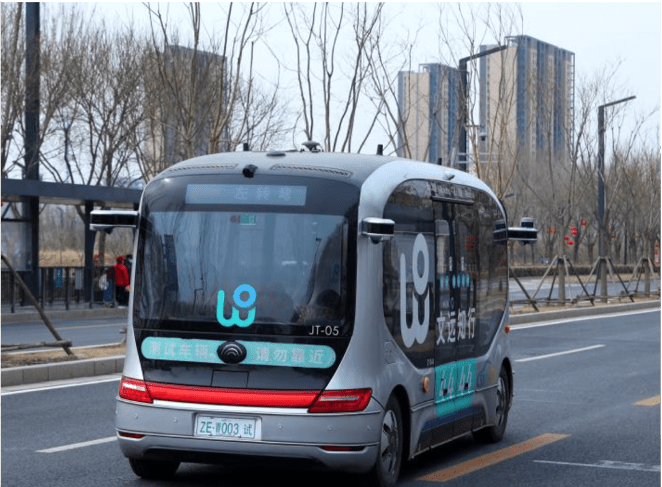
China's Beijing plans to allow self-driving cars to run online ride-hailing services
Beijing self-driving cars on the road will usher in legislative protection. Recently, the Beijing Municipal Bureau of Economy and Information Technology solicited comments on the "Beijing Autonomous Vehicle Regulations (Draft for Comment)". The city intends to support the use of autonomous vehicles for urban public electric bus passenger transport, online car booking, car rental and other urban travel services. In addition to application scenarios, the draft for comments also standardizes autonomous driving innovation from many aspects, such as whether there is a driver, how to deal with traffic problems, and so on. The release of the opinion draft also means that the commercialization of automatic driving is accelerating, and perhaps soon we will be able to experience the convenience of automatic driving. In addition, the accelerated pace of autonomous driving, and whether it will have an impact on the taxi and traditional network car industry, it is also worth thinking about.

"Pictures on the wall were falling," New Yorkers rattled by earthquake
An earthquake jolted New York City on Friday morning, followed by more than 10 aftershocks which shook New Jersey, sending tremors as far as Philadelphia to Boston and jolting buildings in Manhattan and throughout its five boroughs. The preliminary quake, measuring 4.8 magnitude, centered around Lebanon, New Jersey, approximately 60 kilometers from New York City, with a depth of about 5 kilometers. Following the earthquake, New York City mayor Eric Adams stated at a press conference that no injuries had been reported, but they would continue to monitor and inspect critical infrastructure. The densely populated New York City was caught off guard by the unusual event. Broadcaster CBS reported that New York had not experienced an earthquake of this magnitude since 1884. Residents in Brooklyn expressed their shock when experiencing tremors which shook the city. "At first, I thought it was just construction next door, but then I noticed the pictures on the wall had fallen," Jennifer Wu, a resident in New York, told the Global Times on Saturday. Video footage circulating online showed the Statue of Liberty and the New York City skyline trembling as the earthquake struck. An angle from directly above Lady Liberty caught Ellis Island shaking during the incident. "It is fine," New York's famous Empire State Building posted on social platform X after the earthquake. The United Nations headquarters located in New York was hosting a Security Council meeting on the Israeli-Palestinian issue, and diplomats present in the meeting felt the tremors, local media reported. According to the Weather Channel, residents in Baltimore, Philadelphia, New Jersey, Connecticut, Boston and other areas of the Northeast seaboard also reported shaking. Tremors lasting for several seconds were felt over 200 miles away near the Massachusetts-New Hampshire border. The New York mayor told the press that New Yorkers should go about their normal day, while the governor Kathy Hochul emphasized the seriousness of the situation. She initiated assessments for damage across the state and had discussions with New Jersey Governor Phil Murphy. The quake caused flight delays throughout the New York area, with temporary control measures put in place across New York's John F. Kennedy International Airport, Newark Liberty International Airport in Newark, New Jersey, and Baltimore-Washington's Thurgood Marshall International Airport, checking for damage to runways. Operations resumed around Friday noon, ABC reported.
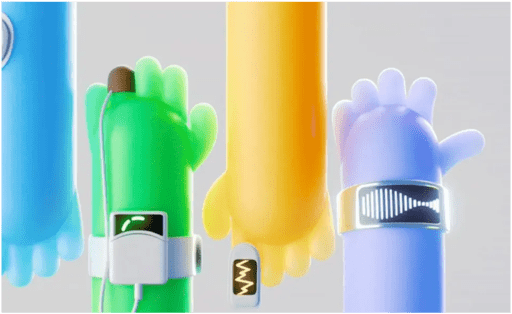
It may be getting harder to leave your smart wearable for the sake of your health
The world's first portable electrocardiograph was an 85-pound backpack, and now a 10-gram patch attached to your chest can transmit electrocardiograms uninterrupted for two weeks. The Apple Watch, which is worn by an estimated 100 million people, can send a text message to alert people when their heartbeat is irregular. Wearable sensors on the arms, wrists and fingers can now report arrhythmias, blood sugar levels, blood oxygen and other health indicators. Medical journals have also proposed a more ambitious vision - wearable devices can monitor patients with chronic diseases, eliminating the need for frequent hospital visits. They can spot potential health problems before a stroke or diabetes develops. The forces of health technology and wearables are converging. Tech giants like Apple (AAPL) and Alphabet's (GOOGL) Google are adding health features to their products. Medical technologists like electrocardiogram patch maker iRhythm Technologies or blood sugar monitor makers DexCom (DXCM) and Abbott Laboratories (ABT) are taking their devices beyond the clinic. "In the sensor world, people started on the consumer side and wanted to get into health care," said Kevin Sayer, chief executive of Decon Medical. "In health care, we're trying to be more consumer oriented, and I think all of those things are sort of colliding." Early bets favored the tech giants, with every health-related announcement from Apple, Google or Samsung Electronics hitting medical tech stocks. But changing doctors' practices will also require sustained investment in clinical trials. Big tech companies have cut back on investments in health care. Now it seems that medical technologists will be at the vanguard of the digital health revolution - with smartwatches and smart rings bringing them more customers who need to be diagnosed. Blake Goodner, co-founder of Bridger Management, a hedge fund focused on health care, said: "A group of medtech companies focused on digital health are maturing and reaching a scale where they can not only be profitable but also make investments to compete with larger tech companies." Tech giants aren't getting out of the health business. Apple's smartwatch has an electronic heart rate sensor that generates a single-point electrocardiogram, a wrist temperature sensor, and an accelerometer that can detect violent falls. Hundreds of millions of people are wearing smartwatches with health features from Apple or its rivals Samsung and Garmin.
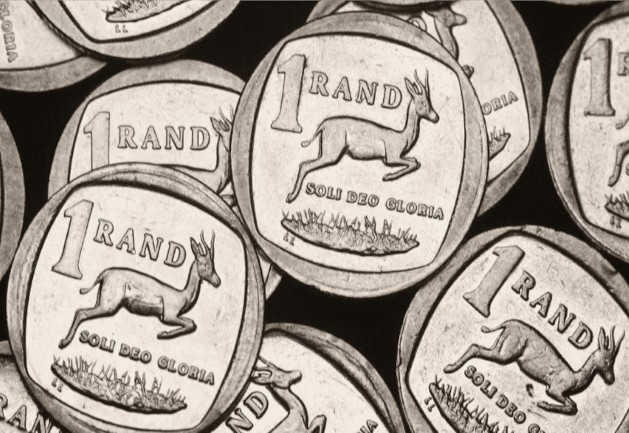
South African rand stable as markets await US interest rate hints
JOHANNESBURG, July 9 (Reuters) - The South African rand was little changed in early trade on Tuesday, as markets awaited the Federal Reserve chair's testimony in Washington and U.S. June inflation data for clues on the country's future interest rate path. At 0644 GMT, the rand traded at 18.1300 against the dollar , near its previous close of 18.1175. "The rand has opened marginally softer at 18.13 this morning, and we expect trading to remain range-bound in the short term," said Andre Cilliers, currency strategist at TreasuryONE. Markets will listen to the tone of Fed Chair Jerome Powell's testimony in Washington on Tuesday and Wednesday and look to June inflation data out of the U.S. later this week for hints on the future interest rate path in the world's biggest economy. "Analysts will be gauging the Fed's response to the recent softer U.S. economic and labour data, with markets already starting to price in two rate cuts this year," Cilliers added. The risk-sensitive rand often takes cues from global drivers like U.S. economic policy in the absence of major local factors. South Africa's benchmark 2030 government bond was slightly stronger in early deals, with the yield down 1 basis point at 9.74%.
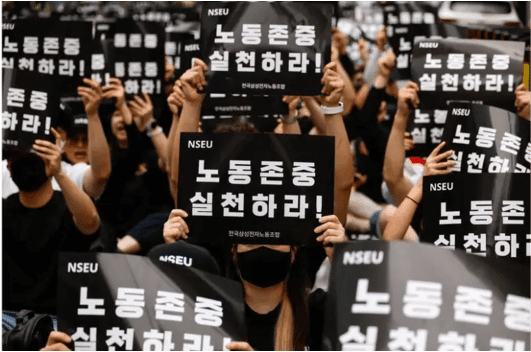
Samsung hit the biggest strike! Over 6,500 people attended.
More than 6,500 employees at South Korea's Samsung Electronics began a three-day mass strike on Monday (July 8), demanding an extra day of paid annual leave, higher pay raises and changes to the way performance bonuses are currently calculated. This is the largest organized strike in Samsung Electronics' more than half century of existence, and the union said that if this strike does not push employees' demands to be met, a new strike may be called. One of the core issues of the current dispute between the labor union and Samsung Electronics is raising wages and increasing the number of paid vacation days. The second demand is a pay rise. The union originally wanted a pay rise of more than 3% for its 855 employees, but last week they changed their demand to include all employees (rather than just 855). The third issue involves performance bonuses linked to Samsung's outsized profits - chip workers did not receive the bonuses last year when Samsung lost about Won15tn and, according to unions, fear they will still not get the money even if the company manages to turn around this year.